Branko Azeski: The Western Balkans Must Move from Declarations to Concrete Results
Regional cooperation, a functional Common Regional Market and greater business competitiveness are essential to the Western Balkans’ economic future.
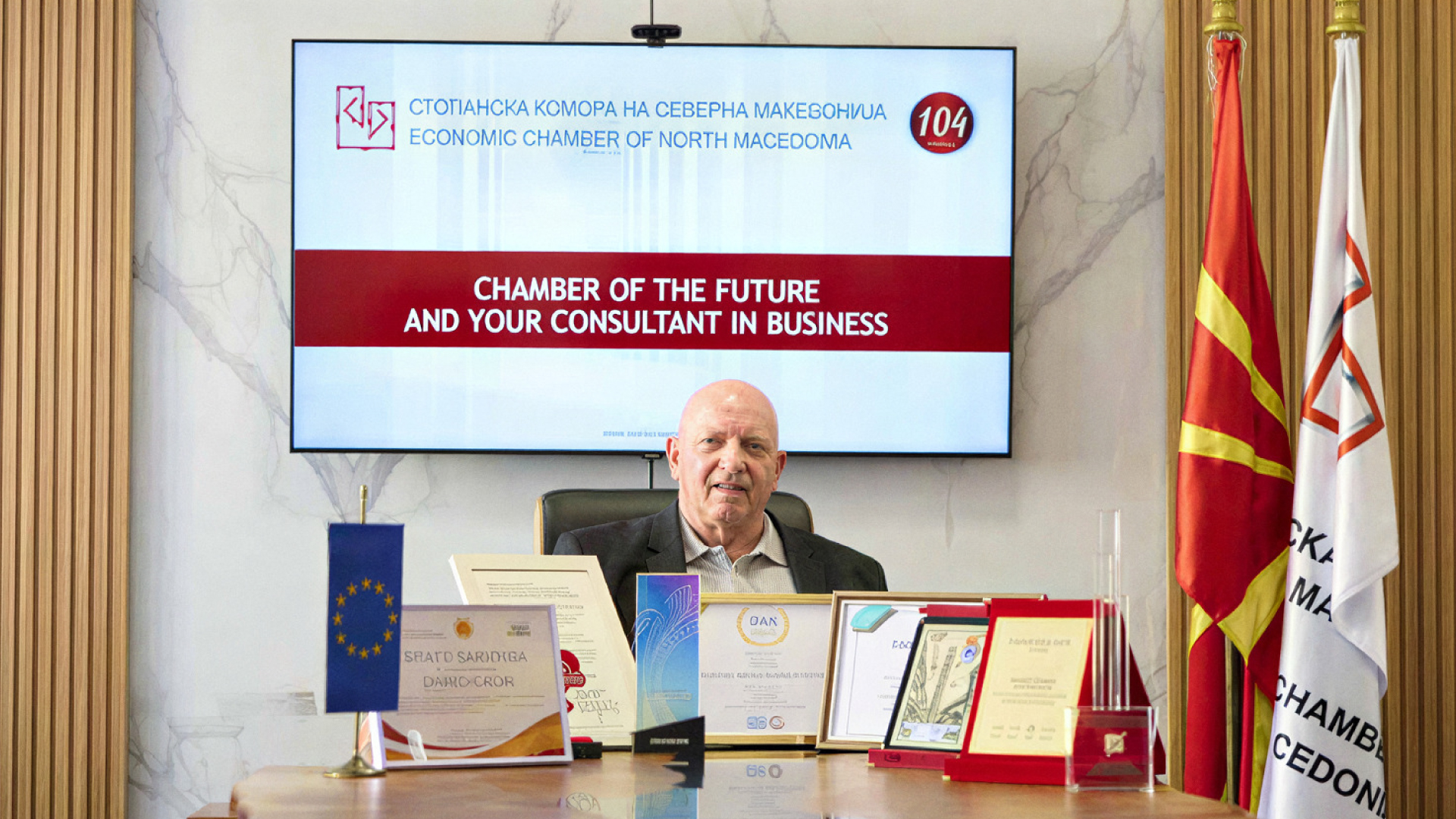
The Western Balkans must move beyond political declarations and focus on delivering concrete, measurable results for businesses. This is the central message of Branko Azeski, Acting President of the Chamber Investment Forum (CIF) and President of the Economic Chamber of North Macedonia, in an interview published by Ekonomija i Biznis.
Azeski highlights the importance of strengthening regional economic integration, establishing a functional Common Regional Market and ensuring that cooperation across the region translates into tangible benefits for companies.
One Region, Not Six Separate Markets
Regional, European and global economic integration are dynamic processes that require continuous monitoring, strategic adaptation, institutional capacity and the ability to respond quickly to changing conditions. They also depend on an entrepreneurial spirit and effective cooperation between public institutions and the business community.
From the perspective of North Macedonia’s business community, the Western Balkans should not be viewed as six separate markets, but as one common economic space. A more integrated regional market would create better conditions for companies to operate across borders, expand their activities and access new opportunities.
Azeski also stresses the importance of aligning the Common Regional Market with European rules while advancing the region’s gradual integration into the European Single Market. These processes should go hand in hand with a more proactive approach to opening new opportunities for trade and economic cooperation.
As he notes, what is considered an external market for North Macedonia today may soon become an internal market, reflecting the potential of deeper regional integration.
From Political Commitments to Measurable Results
Despite progress towards regional cooperation, Azeski points out that the region’s potential still exceeds what has been achieved. A truly integrated Common Regional Market remains a work in progress.
The next phase therefore requires a more practical approach: fewer declarations and more measurable outcomes. Regional integration should be assessed by the improvements it brings to businesses rather than by the number of meetings held or commitments announced.
For companies, progress should mean less time spent on administrative procedures, lower costs, fewer barriers to cross-border operations and better opportunities to trade and grow across the region.
This shift from commitments to implementation is essential to making regional cooperation economically meaningful and strengthening the competitiveness of Western Balkan businesses.
The Role of the Chamber Investment Forum
Azeski identifies the Chamber Investment Forum as an important force in turning regional cooperation into a concrete economic agenda.
Through its regional role, CIF can help identify barriers affecting businesses, contribute to policy development, propose practical solutions and advocate for their implementation. This means ensuring that the process of economic integration remains connected to the everyday realities and needs of companies across the Western Balkans.
A functional Common Regional Market requires more than shared objectives. It calls for coordinated action, effective implementation and continued engagement between chambers, policymakers and the business community.
The ultimate objective is to create a regional economic space in which companies can operate more effectively and benefit from stronger connections across markets.
Making Regional Integration Work for Business
Azeski’s message reinforces a central priority for the Western Balkans: regional integration must translate into tangible economic progress.
Stronger cooperation, a more functional Common Regional Market and closer alignment with the European Single Market can help create better conditions for trade, investment and business development. Achieving these objectives, however, depends on turning political commitments into practical improvements that companies can experience and measure.
As the region advances its economic integration agenda, the focus must remain on results that matter to businesses: reduced costs, saved time, fewer barriers and new opportunities for growth.
The full interview with Branko Azeski is available in the print edition of Ekonomija i Biznis and online.
Read the full interview: https://ekonomijaibiznis.mk/nov-broj-ekonomija-i-biznis-15-oktomvri-2026g/

